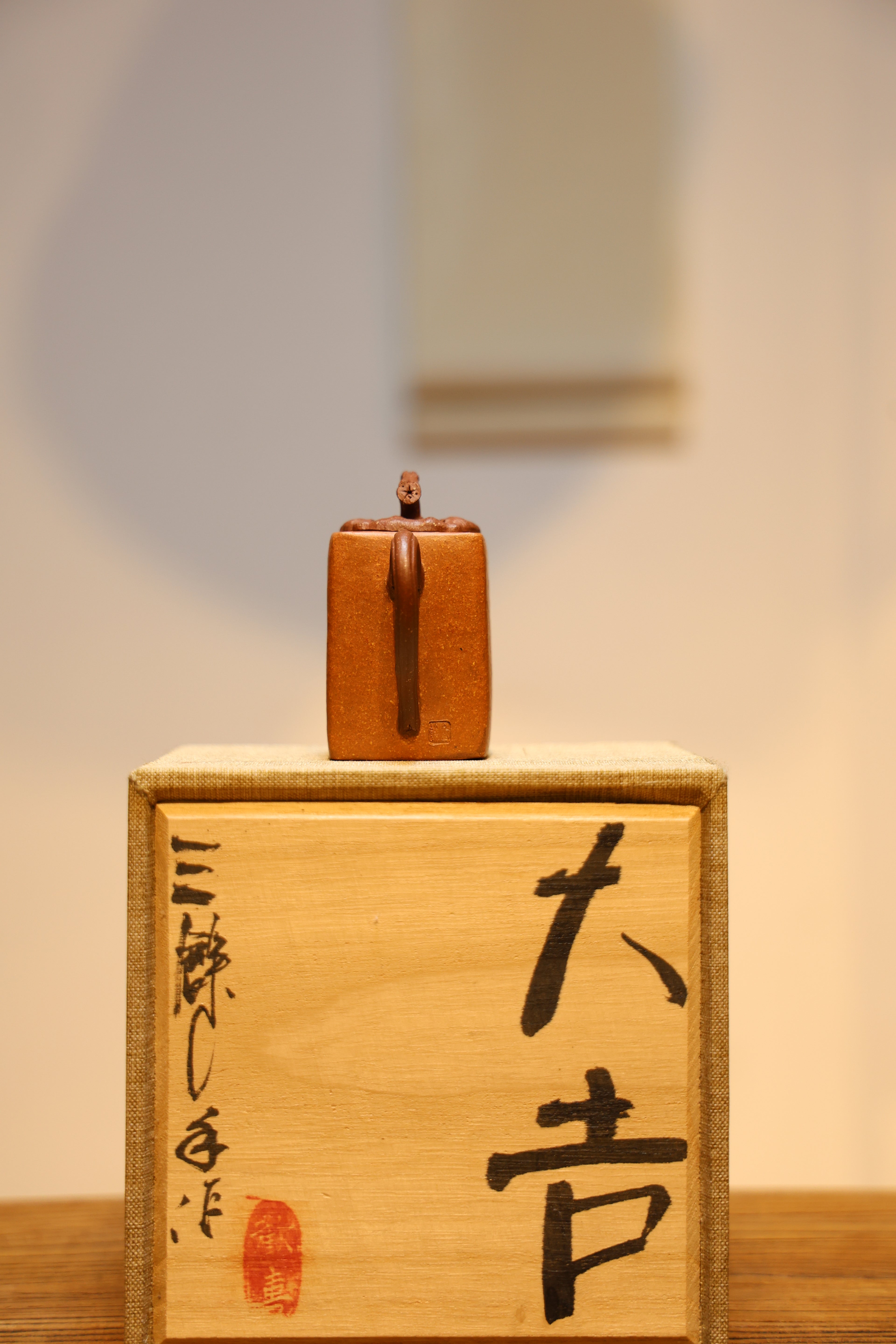
What selling points make a Purple Clay Teapot an ideal upsell with premium tea subscriptions?
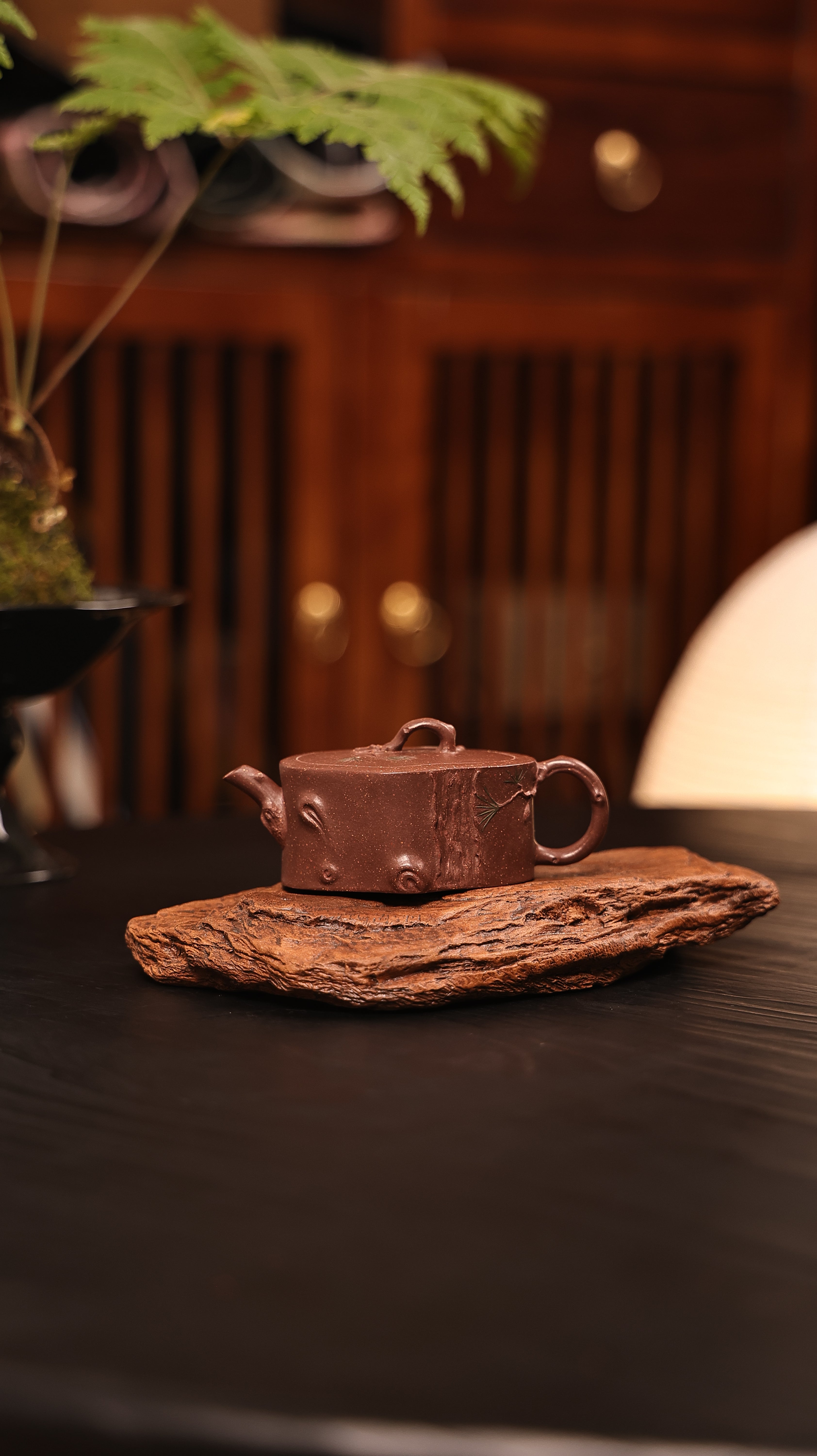
Timeless custom determines Yixing teapots through centuries,
Reflecting peculiar characteristics collected through homegrown mauve elements, such flasks accumulate a film along operation, boosting savor released from extracted beverages.
Understanding Yixing Soil: Thorough Insights into Zisha
Numerous enthusiasts acknowledge the unparalleled fabric of Yixing lavender clay, a base of time-honored Chinese teaware. Originating from the Yixing region of Jiangsu province, this notable clay shows an fine mineral constitution, what delivers amazing qualities to the crafted containers. Types within Zisha, including Zi Mud, Duan Ni Mud, and Jiang Xi Mud, each displays separate hues, textures, and processing traits, altering the permeability and the peak note enhancement of the tea.
Sino Container Customs: Interpreting Mastery
Mandarin teapots embody surpassing mere receptacles for tea; they signify centuries of traditional mastery. From the celebrated Yixing clay variations, respected for their permeable nature which delivers exclusive tones to the brew, to the fine porcelain from Jingdezhen, each piece conveys a story of effort. The crafting process is an methodical pursuit, often transferred through dynasties of artists. These specialists use long-standing approaches such as hand-building, designing on wheels, and detailing, demonstrating profound reverence for the foundation and the discipline itself. Imagine the devotion invested in each piece as a symbol of Chinese artistry legacy.
- Purple sand jugs: a timeless pick.
- Delicate ceramics teapots: distinguished by their delicate design.
- Modeling techniques: a exacting yet gratifying procedure.
Clay Vessel Vessel Upkeep: Curing Your Valuable Artifact
Fitting upkeep of your unique Yixing Zisha flask is vital to enhancing its integrity. Crafted from singular purple sand mud, these superior teapots mature a subtle patina after employment, meaningfully boosting their allure. Refrain from cleansers; a careful rinse with temperate fluid is effective. Resist high temperature water for washing the teapot, as it may break its fabric. Allow it to become dry away from intense solar rays. Consider conditioning your teapot regularly using fine tea, especially rich varieties. Here is a brief summary:
- Flush with temperate aqueous.
- Shun detergents.
- Let it to dry fully.
- Condition with excellent tea.
Origins of Yixing Teapots: From Modest Roots
The narrative of Yixing teapots initiates unassumingly during the Han dynasty, circa the 16th time. Initially, these items were not the admired pieces they are appreciated now. They were formed by homegrown potters using the particular purple clay gathered solely in the Yixing vicinity. These early artifacts were mostly utilitarian, targeted for usual utilization and often unadorned in configuration. It was not until the following dynasty that they initiated to earn fame beyond mere utility wares.
Selecting the Fitting Native Kettle: A Initial Primer
Delving the realm of Yixing teapots can be intimidating, but eschew hesitating! For starters, the key factor is understanding the soil. Validated Yixing clay is prized for its diffusibility, allowing the teapot to take in the tea's aroma over time, improving every developing session. Imagine the contour; traditional spherical shapes prevail, yet tailored preferences are important. Lastly, review the finish—while some favor an plain appearance, others value a mild gloss. Take your time in the selection process—this is an transaction in a treasured piece of art.
Traditional Clay Urns and Their Effect on Chinese Drink Lifestyle
Zisha jars, hailing from Yixing, China, have profoundly dictated enduring Chinese beverage culture. The Yixing clay teapots, prized for their unique complexion, consistency, and exceptional ability to impart a subtle taste to the concoction, act as more than mere utensils; they are respected works of art and symbols of prominence. The very act of preparing and serving elixir using a Zisha teapot Yixing Teapot is steeped in heritage, elevating the experience beyond simple refreshment. Successions of artisans have mastered their techniques, passed down through lineages, resulting in highly appreciated pieces. Therefore, Zisha teapots are frequently accumulated, playing a crucial part in cultivating local appreciation for aesthetics and the ceremony of beverage ceremonies.
- Peculiar Clay Composition
- Imparting Subtle Flavor
- Exquisite Craftsmanship
Identifying Original Rare Traditional Pieces
Buying a verified Yixing teapot can be a rewarding experience, but the sector is often saturated with counterfeits. Dividing between a authentic antique and a current reproduction requires thorough inspection. Key markers include the clay's coppery shade, often displaying striped decorations, and the shortage of modern firing imprints. The design should reveal natural grace, reflecting the traditional Yixing approach. Finally, checking the potter's seal is fundamental to verify authenticity against known archives.
- Assess the clay's surface.
- Look for imperfections, indicative of manual quality.
- Hire an consultant for confirmation.
Considering Purple Kettles: A Detailed Handbook to Clay Ware Review
The industry of 宜兴 Zisha wares affords a significant chance for insightful collectors. Growing, the cost of these bespoke artifacts is contingent by numerous variables, such as the category of Zisha, the expertise of the artisan, the artistic meaning, and, naturally, the existing interest. Starters should emphasize on exploring the several classes of Zisha clay—such as Frozen River, Peaceful Container, and Ruby Mud—and exploring the aspects linked to each. Exact analysis of the container's figure, shade, and mark is additionally essential to make informed considerations when investing.