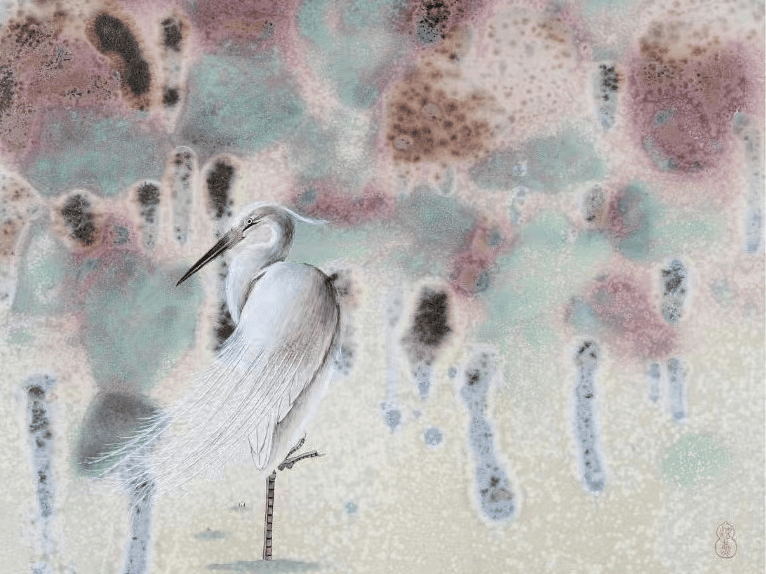
What premium finishes on Cup Set II justify a higher retail price?
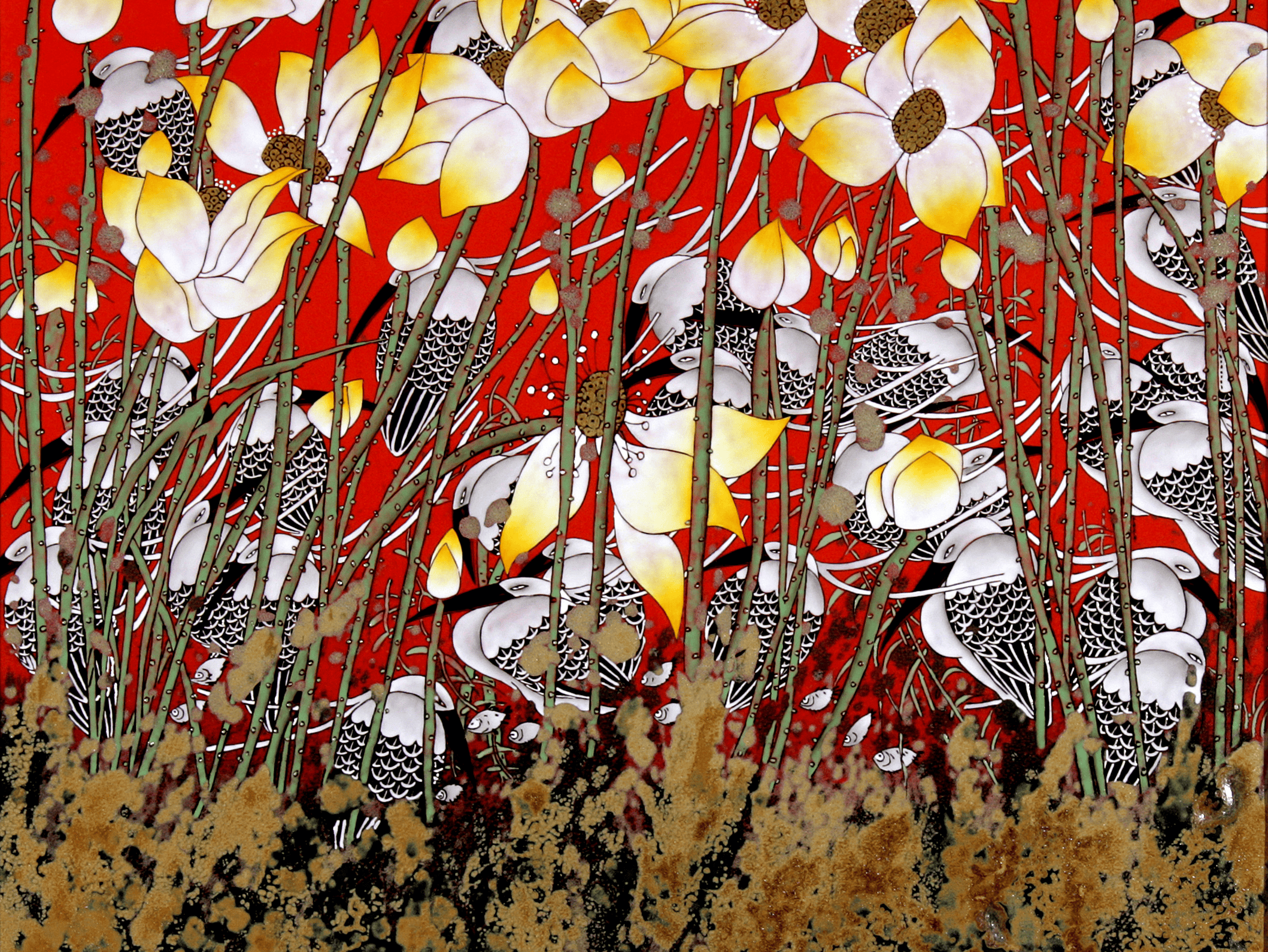
Terracotta figure represents a extraordinary expression style with a enduring legacy, reaching back multiple of periods. From ancient containers to recent showcases, the medium offers incomparable possibilities for creative presentation. Artists work with several techniques – including constructing, wheel operating, and sophisticated firing processes – to shape humble soil into aesthetic three-dimensional productions. The longevity of fired clay also contributes to its status as a truly enduring part of human civilization.
Studying Clay Board Patterns and Methods
The field of ceramic marker design offers a extensive array of inventive possibilities. Makers often engage a assortment of established and innovative techniques to create visually striking pieces. These can range from simple, hand-carved reliefs to complex, multi-layered arrangements. Popular methods include the slip cast process, artisanal shaping, varnishing – which can involve numerous techniques like painting beneath the glaze, surface glaze ornamentation, and carved drawing where designs are brought out by abrading a layer of enamel. More investigation into top layers such as rapid firing and lustering can produce truly unique and bespoken terracotta signs.
- Pattern Casting - Producing pieces using a shaped form
- Hand Building - Precisely forming the mud
- Enameling - Spreading the exterior with a lustrous finish
- Etched illustration - Disclosing designs by removing surfaces
Entrancing Experiences: Earthenware Art Installations
The progressing landscape of design presents exciting innovative avenues for guests, and ceramic art installations are at the pinnacle of this shift. These aren't just static statues; they are engineered to envelop the visitor in a sensory space. Imagine navigating within a forest of towering, polished ceramic trees, or navigating a maze of sensitive ceramic vessels. Many designers are now incorporating sound, radiance, and even scent to enhance the mood of their work. Picture the power of a room filled with hundreds of expertly ceramic works, each telling a anecdote. Commonly, such installations explore themes of ecosystem, memory, and personhood.
- These installations blur the frontiers between art and construction.
- Witnessing a ceramic art installation can be a deeply profound journey.
- Creators are redefining the limits of what is feasible with clay.
The Elegance of the Brick Container: Significance and Shape
The stoneware vessel represents a admirable union of utility and expressive appeal. Historically, these canisters served a basic function in keeping liquids, but their growth has transformed them into highly valued works of craftsmanship. Each creation showcases the ability of the creator, demonstrating how shape can be as essential as service. The careful shaping, the special glazes, and the full presence of a masterfully-crafted pot can improve a space, offering both splendor and a gentle reminder of the creative hand.
Up-to-date Stoneware Design : Extending Horizons
Up-to-date terracotta design represents a fascinating shift from classic practices. Designers are vigorously challenging with modern procedures, blurring the lines between ceramics and diverse expressive realms. From massive installations to complex miniature pieces, mentioned works scrutinize themes of background while concomitantly remaking the very of what clay can be. The resulting is a dynamic landscape of creative expression.
Ceramic Plaque: Keeping Annals in Brick
Porcelain plaques offer a exceptional method for preserving significant events and personalities. As opposed to traditional metal or stone markers, these lasting pieces of work are formed from baked clay, creating a physical link to the bygone era. Often, they highlight intricate bas-reliefs or delicately designed imagery, expressing stories that might otherwise be ignored. This technique, dating ceramic vase back ancient populations, provides a elegant and immortal way to celebrate our collective narrative.
- These particular can be set in common spaces.
- Numerous are now considered historical valuables.
Stoneware Art Creations: Transforming Sites
Earthenware art installations are growing a meaningful medium for makers to redefine public and private environments. These immersive installations frequently involve monumental clay sculptures that absorb viewers, transforming their experience of the developed environment. By applying diverse methods like fabricated molding and detailed firing processes, ceramic artists develop truly remarkable experiences, overlapping the separations between sculpture and setting. The outcome is often a strong shift that raises the artistic quality of the environment and promotes debate.
Start Spin Tool to Beauty: The Trade of the Earthenware Receptacle
The journey of a clay holder from a simple lump of earth to a polished work of art is a testament to human inventiveness. Classicall, the process commences with the potter’s rotary device, where the talented artisan carves the rotating soil into a cylindrical configuration. This first period demands precision and a trained eye, followed by a delicate strengthening period. Once bisque-fired, the urn is ready for finishing, which may include coloring intricate figures, engraving detailed views, or utilizing a variety of finishes. The terminal kiln firing process then alters the item into a durable and attractive vessel, a tangible embodiment of the craftsman's imagination.
Forming with Clay: A Overview to Stoneware Expression
Surveying the world of clay work begins with studying the tenets of molding with earthenware. This particular procedure demands attentively constructing and cutting material to form three-dimensional pieces. Whether you're a newcomer or a proficient creator, exploring with multiple categories of terracotta – notably pottery – will advance you identify your idiosyncratic expression. After all, brick forming is a valuable undertaking that merges skilled know-how with inventive demonstration.