What chef testimonials best validate your investment in Ceramic Tableware?
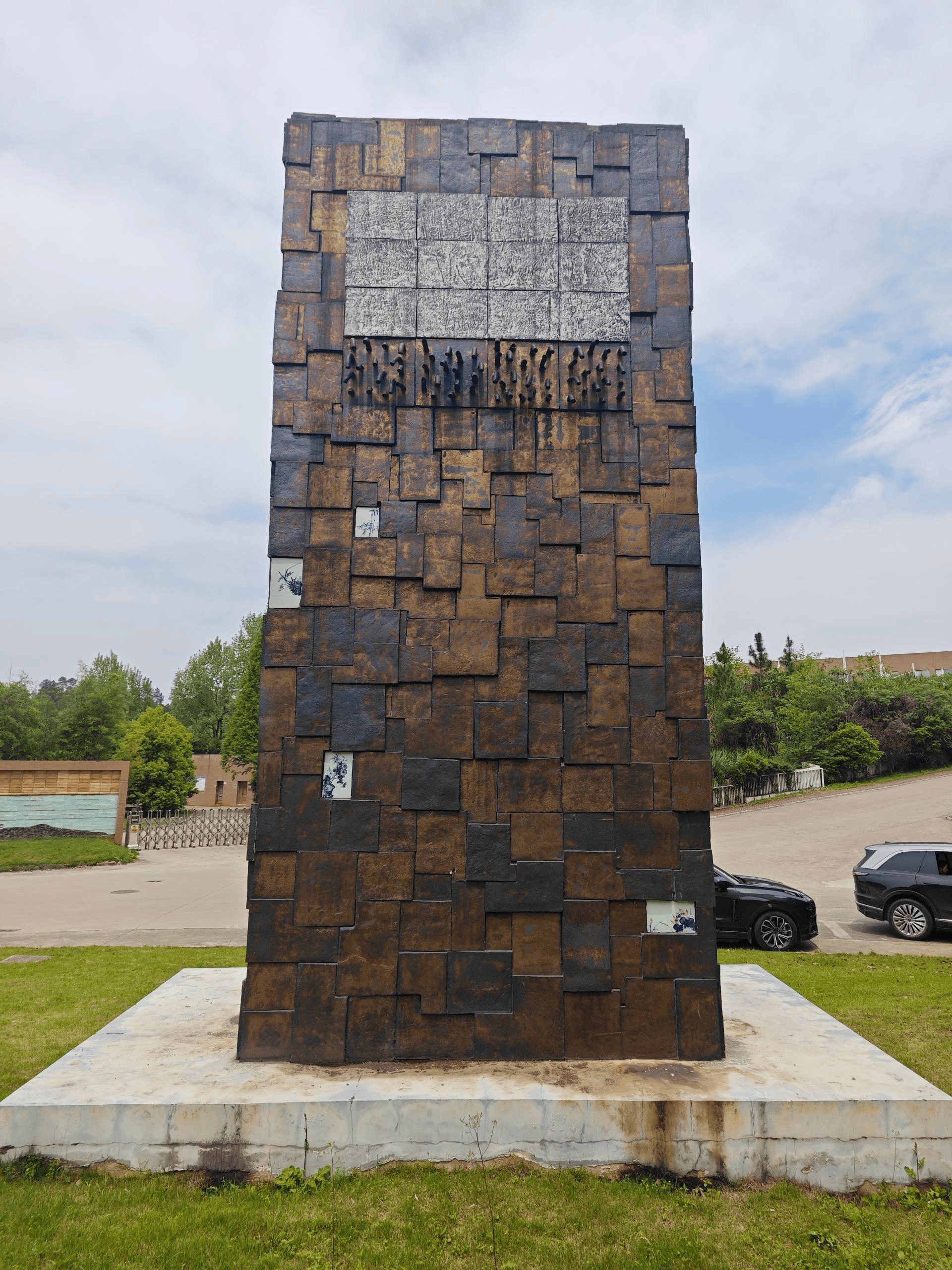
Stoneware work constitutes a extraordinary craft category with a prolonged heritage, reaching back legions of centuries. From ancient pots to recent presentations, the matter offers peerless possibilities for creative articulation. Builders work with wide-ranging techniques – including coiling, wheel casting, and advanced firing processes – to convert humble loam into compelling three-dimensional objects. The robustness of fired clay also contributes to its status as a truly memorable part of human culture.
Examining Porcelain Plaque Styles and Practices
The world of ceramic panel design offers a ample array of resourceful possibilities. Designers often adopt a integration of established and contemporary techniques to construct visually spectacular pieces. These can move from simple, sculpted reliefs to complex, multi-layered structures. Typical methods include slip casting, hand building, coating application – which can involve several techniques like initial glaze painting, surface glaze ornamentation, and etched pattern where designs are brought out by stripping a layer of shell. Extended research into exterior stylings such as cold firing and shimmer glaze can bring about truly special and bespoke stoneware panels.
- Mold Making - Creating pieces using a frame
- Physical Construction - Delicately building the loam
- Coating - Covering the surface with a smooth finish
- Etched illustration - Bringing out designs by taking away layers
Mesmerizing Experiences: Terracotta Art Displays
The evolving landscape of culture presents exciting cutting-edge avenues for participants, and ceramic art installations are at the forefront of this transition. These aren't just static objects; they are designed to envelop the participant in a sensory setting. Imagine walking through a forest of towering, finished ceramic trees, or navigating a web of delicate ceramic vessels. Many artisans are now incorporating music, luminescence, and even odor to enhance the sensation of their work. Visualize the power of a room filled with hundreds of uniquely ceramic artifacts, each telling a chronicle. Frequently, such installations analyze themes of environment, heritage, and people.
- These particular installations blur the limits between sculpture and building.
- Witnessing a ceramic art installation can be a deeply profound journey.
- Creators are exploring the boundaries of what is feasible with clay.
A Splendor of the Ceramic Jar: Function and Structure
The brick container represents a impressive blend of efficiency and stylish appeal. Historically, these receptacles served a rudimentary role in supporting objects, but their development has transformed them into highly valued works of creation. Each element showcases the talent of the maker, demonstrating how profile can be as significant as utility. The exact shaping, the distinctive glazes, and the entire presence of a artfully-produced vase can improve a space, offering both splendor and a soft reminder of the creative hand.
Up-to-date Stoneware Sculpture : Challenging Edges
Latest clay model represents a fascinating evolution from conventional practices. Artisans are enthusiastically experimenting with different strategies, overlapping the borders between craft and various visual realms. From massive installations to complex miniature pieces, referenced works probe themes of character while at the same time reshaping the definition of what earthenware can accomplish. The effect is a energetic domain of inspired presentation.
Porcelain Plate: Upholding Record in Stoneware
Porcelain plaques offer a exceptional method for preserving significant events and personalities. In contrast to traditional metal or stone markers, these sturdy pieces of mastery are formed from kilned clay, creating a material link to the history. Commonly, they depict intricate carvings or vividly colored imagery, illustrating stories that might otherwise be lost. The technique, dating Ceramics back ancient populations, provides a lovely and eternal way to pay tribute to our collective legacy.
- These can be disposed in general spaces.
- Various are now viewed historical relics.
Ceramic Art Presentations: Shifting Venues
Clay art installations are emerging a impactful medium for craftsmen to redefine public and private locations. These immersive projects frequently involve massive clay forms that attract viewers, transforming their experience of the developed environment. By applying diverse methods like fabricated molding and advanced firing techniques, ceramic artists fashion truly uncommon experiences, dissolving the frontiers between creation and venue. The product is often a poignant conversion that enriches the creative quality of the location and cultivates exchange.
From Rotating Wheel to Wonder: The Method of the Ceramic Jar
The journey of a ceramic jar from a simple lump of clay to a polished work of art is a testament to human talent. Traditionally, the process launches with the potter’s circular platform, where the adept artisan constructs the turning dirt into a cylindrical form. This preliminary section demands finesse and a perceptive eye, followed by a delicate drying period. Once pre-fired, the vase is ready for adornment, which may require designing intricate motifs, inscribing detailed scenes, or incorporating a array of textures. The ultimate cooking process then evolves the work into a durable and exquisite holder, a tangible demonstration of the maker's creativity.
Forming with Clay: A Introduction to Earthenware Expression
Surveying the realm of clay design begins with mastering the basics of shaping with ceramic material. That means includes carefully building and reducing components to make three-dimensional creations. If you're a neophyte or a seasoned artist, playing with assorted sorts of pottery – particularly ceramic – will facilitate you explore your original signature. In conclusion, porcelain shaping is a worthwhile quest that merges skilled know-how with inventive presentation.